With modern homes becoming more compact and dynamic, designing a multi-functional room is one of the smartest ways to maximize space without compromising on comfort or style. Whether you want a home office + bedroom or a living room + gym, the right design can make one room serve multiple purposes seamlessly.
This SEO-friendly guide will help you create a practical, stylish, and efficient multi-functional room in 2026.
What Is a Multi-Functional Room?
A multi-functional room is a space designed to serve two or more purposes, such as:
- Living room + workspace
- Bedroom + study area
- Guest room + home gym
- Dining area + home office
The goal is to maximize utility while maintaining a clean and organized look.
Why Multi-Functional Design Is Important
- Optimizes limited space
- Reduces the need for extra rooms
- Enhances flexibility in daily life
- Adds value to your home
Step-by-Step Guide to Designing a Multi-Functional Room
1. Define Your Needs
Start by identifying how the room will be used:
- Work + relaxation
- Sleep + study
- Fitness + storage
Prioritize the primary function and plan secondary uses around it.
2. Plan Smart Layout Zones
Divide the room into zones based on function:
- Work zone (desk, chair)
- Relaxation zone (sofa, TV)
- Storage zone (cabinets, shelves)
Tip: Use rugs, lighting, or furniture placement to visually separate areas.
3. Choose Multi-Functional Furniture
Furniture is key to maximizing space.
Best options:
- Sofa-cum-bed
- Foldable desks
- Storage ottomans
- Wall-mounted tables
- Murphy beds
4. Use Vertical Space
Maximize walls for storage and functionality:
- Floating shelves
- Wall cabinets
- Pegboards
This keeps the floor area open and uncluttered.
5. Opt for Flexible and Movable Elements
Choose furniture that can be easily rearranged:
- Foldable chairs
- Rolling desks
- Modular seating
Flexibility allows you to switch between functions quickly.
6. Smart Storage Solutions
Keep your room organized with:
- Hidden storage units
- Under-bed storage
- Built-in cabinets
A clutter-free space feels larger and more functional.
7. Lighting for Different Uses
Use layered lighting for various activities:
- Bright lighting for work
- Soft lighting for relaxation
- Task lighting for specific areas
8. Choose a Cohesive Design Theme
Even with multiple functions, your room should look unified.
Tips:
- Stick to a consistent color palette
- Use matching materials and finishes
- Avoid mixing too many styles
9. Add Privacy Solutions
If needed, create separation with:
- Curtains or room dividers
- Sliding panels
- Bookshelves as partitions
10. Incorporate Technology
Modern multi-functional rooms can include:
- Smart lighting systems
- Foldable screens or TVs
- Compact workstations
Popular Multi-Functional Room Ideas
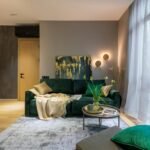
1. Living Room + Home Office
- Compact desk near a wall
- Sofa for relaxation
- Storage for office supplies
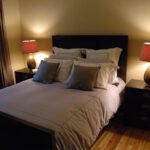
2. Bedroom + Study Room
- Bed with storage
- Study desk near window
- Soft lighting for comfort
3. Guest Room + Gym
- Foldable bed or sofa-cum-bed
- Compact gym equipment
- Open floor space
4. Dining Room + Workspace
- Extendable dining table
- Multi-use chairs
- Minimal decor
Color and Design Tips
- Light colors make space feel bigger
- Use mirrors to enhance openness
- Keep decor minimal
- Add textures for warmth
Common Mistakes to Avoid
- Overcrowding the room
- Poor layout planning
- Lack of storage
- Ignoring lighting needs
- Mixing too many styles
Pro Tips for 2026
- Invest in modular furniture
- Use smart storage solutions
- Keep flexibility as a priority
- Focus on minimalism and functionality
Final Thoughts
Designing a multi-functional room is all about smart planning, flexibility, and efficient use of space. With the right layout, furniture, and design choices, you can create a room that adapts to your lifestyle effortlessly.
Whether you’re working, relaxing, or hosting guests, a well-designed multi-functional space ensures comfort and productivity in 2026.